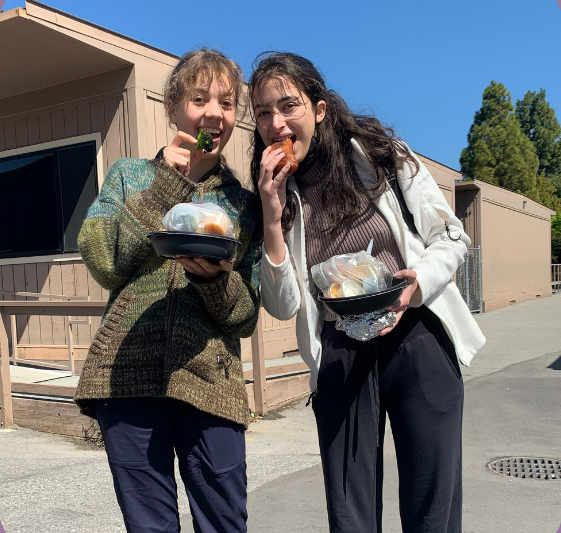
The Learning Curve: Why Vegan Cafeteria Meals Matter For Students
This blog aims to inspire young people to explore the power of vegan school meals and show that they are not alone in their advocacy to transform school cafeteria meals nationwide! This blog post was made by F.E.P.’s Youth Advocacy Team Member, Kennedy Little, in collaboration with Versytalks’s Co-Founder, Antonin Laferrière. Versytalks is a digital platform that encourages thoughtful discussion and critical thinking through debate.
Food shapes how students learn, grow, and participate in the world. Across the United States, young people are calling for healthier and more just food systems. This blog discusses the importance of school meals that nourish students’ bodies without harming animals, the planet, or the workers who grow and prepare their meals. This growing interest in vegan eating is appearing in cafeterias from elementary schools to universities, where students increasingly recognize that what they eat reflects their ethics, cultural identity, environmental concerns, and personal wellness.
As the Youth Advocacy Team Member with Food Empowerment Project (F.E.P.), my own experiences with limited vegan options have shaped my expertise and belief that students deserve choices that respect their health, values, and cultural backgrounds. This raises a timely, important question that students, educators, and communities are beginning to grapple with: Should vegan meals be required options in all K–12 schools and college cafeterias?
The Role of Food in Academic Performance and Student Well-Being
Nutrition is inseparable from learning. 80% of teachers have reported a direct negative impact of hunger on a student’s ability to concentrate, and 76% saw decreased academic performance. When students eat balanced meals rich in whole grains, legumes, fruits, and vegetables, they are better able to focus, manage stress, and maintain steady energy throughout the day. Schools are among the most influential environments for children’s health, especially for the millions who rely on school meals as their primary source of nutrition.
Lack of access to healthy food deeply affects concentration, behavior, and long-term achievement. For the school system, vegan meals are capable of being cost-effective, nutrient-dense, and a nourishing alternative for students who cannot consume dairy, eggs, or meat due to health, cultural, or ethical reasons. Legumes, rice, vegetables, and fortified plant milks often cost less than animal-based foods, making vegan menus a financially sustainable option for districts already struggling with tight budgets.
Providing vegan options does not merely diversify menus; it removes a barrier to learning.
What It Feels Like When Schools Don’t Offer Vegan Choices
As a student in middle and high school, I often found myself choosing between eating something from my school cafeteria and not eating at all because the food options available contained animal products. My commitment to not participate in an action that harms animals may be noble to some, but no student should have to go through this.
Many times, I would not be able to gather what was being served at lunch, and I would go through the lunch line to see if there were any options for me. If there were none, I would have to prepare myself for the strange look I would receive from the lunchlady at checkout and the glaring looks of classmates, some of whom were my friends, and were confused why there wasn’t a meal in front of me. But in one way, I was not alone in this; many of my peers did not enjoy drinking cow’s milk, and some were lactose normal – a term F.E.P. uses because lactose-intolerant implies people, who happen to be predominantly Black and Brown people, are abnormal if they do not digest lactose; even though the cow’s milk in the U.S. is a product of colonization, and its purpose to nourish the child of another species – but my school required students who went through the lunch line to grab a box of milk. As students would exit the line, many of them would toss their milk into the trash. This not only contributed to food waste but was a clear statement being made by students who wanted other beverages that had nothing to do with cow’s milk.
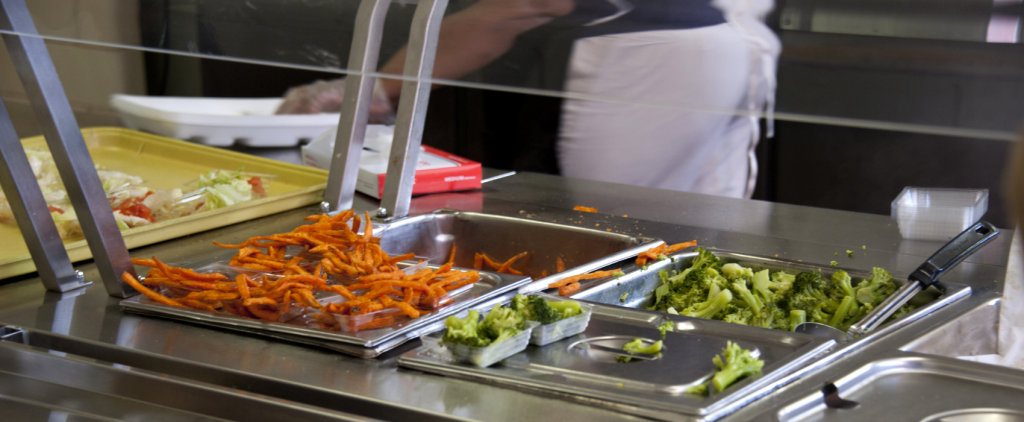
When there were options available for me, it was the typical side salad, fries, or packaged snacks—none of which provided the nutritional value a student like me truly needed to get through a long school day. However, socially, it was a lifesaver. I was able to better blend in with the crowd. Once I started high school, things did not get much better, and lunches began to signify a time of isolation, which, paired with the already difficult navigation of high school, caused me to become more closed off from social situations.
During my senior year of high school, the COVID-19 pandemic shifted the normalcy of school for millions of students across the world. It did not take long for my college to enforce distance learning, requiring all students to learn from home. When the time came for students to choose whether they wanted to attend the remainder of the school year in person or online. I decided to continue to learn from home. While my twin sister and some of my friends decided to go back to school, I did not want to relive some of the experiences I had in the cafeteria. I enjoyed my ability to enhance my vegan cooking and the energy it gave me to finish out my school days.
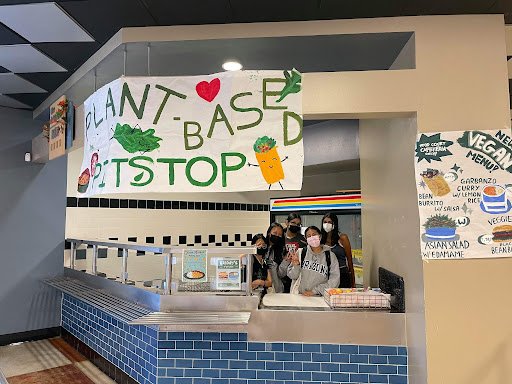
Since starting college, many of these same challenges have persisted, but one that has changed is my ability to find my voice to advocate for better vegan and culturally appropriate meal options for not only myself but other students as well. To help inspire students to do the same, F.E.P. has released our first handheld college guide called “Eating Vegan in College”. This resource compiles guidance, hacks, and tips to show college students everywhere the importance of positively transforming food spaces.
Food is not only important for sustaining individuals but also an integral part of relationship building and uplifting one’s culture. It can be difficult for students to feel empowered and like they matter if changes do not occur in the cafeteria.
How Many Schools Offer Vegan Options? The Reality Behind the Numbers
Recent national reports show that while plant-based options are increasing, access is uneven:
- Many rural districts offer few or no vegan meals due to budget constraints, vendor limitations, or misconceptions about student interest.
- Higher-income districts are more likely to offer vegan meals than lower-income ones, despite the fact that marginalized students rely most heavily on school nutrition programs.
- Colleges and universities have moved faster than K-12 schools, largely due to strong student activism and increased demand for climate-friendly foods.
During the creation of this blog, the Whole Milk for Healthy Kids Act was passed into law, which allows students with disabilities (including those who are lactose normal) to access fortified soy or oat milk with just a parental note. This is because of advocacy efforts from individuals and groups like the Plant Powered School Meals Coalition. Schools can also offer fortified soy milk to all students without requiring permission slips for the first time ever. Students need to use this right!
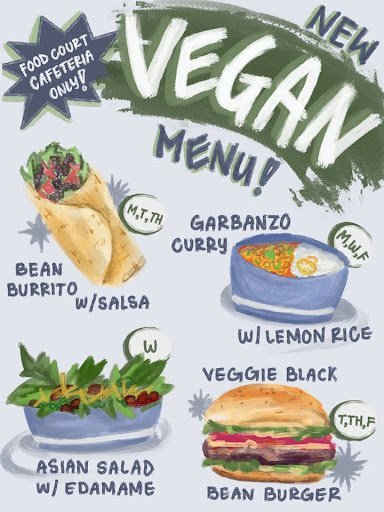
Though it is important to remember that this win is wedged in a law that upholds harm to human and non-human animals, dairy is liquid oppression, no matter the way it is presented. There is a long way to go to get animal products removed from the school and food system. We must continue advocating for a compassionate food system. Additionally, students’ access to vegan meals heavily depends on geography and district resources; this is an inequity that mirrors larger patterns of food injustice in the U.S.
Environmental, Ethical, and Cultural Reasons Students Need Vegan Choices
Beyond nutrition and access, students increasingly understand that food choices connect to global issues:
Environmental Impact
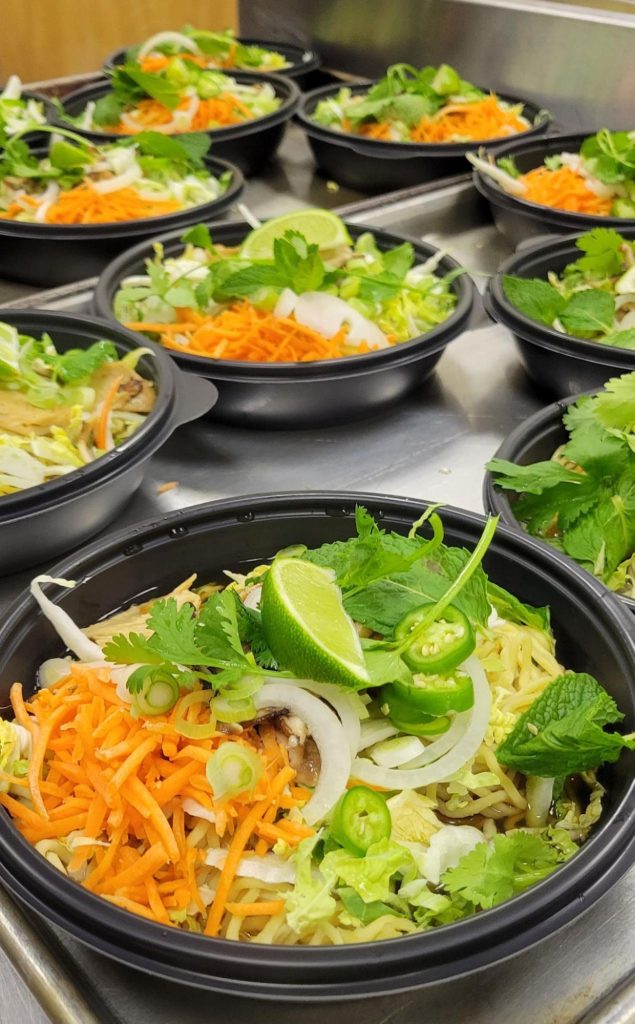
Vegan meals have significantly lower greenhouse gas emissions, land use, and water consumption. For climate-conscious students, a vegan option represents a practical way to act on their values.
Ethical Concerns
Gen Z and Gen Alpha are more likely than any previous generation to express concern for animals and reject systems that harm them. Offering vegan meals respects this ethical shift.
Cultural Inclusivity
Indian, Ethiopian, East Asian, Mediterranean, and many other cultures feature naturally vegan dishes—rice and beans, lentil stews, vegetable curries, hummus, tortillas, pasta, injera, and more. Vegan options create space for diverse food identities without centering a single dominant food tradition.
The Arguments For and Against Mandatory Vegan Options in Schools
Like any policy debate, requiring vegan meals in schools raises questions worth engaging thoughtfully:
Arguments in Favor
- Accessibility: Vegan meals accommodate students with dietary restrictions and ethical beliefs.
- Cost: Plant proteins such as beans, lentils, and tofu are often more affordable.
- Equity: Ensures students—regardless of income—can access nutritionally complete vegan meals.
- Health: Vegan meals can reduce saturated fat and increase fiber, vitamins, and minerals.
- Climate: Lowers negative environmental impact and supports sustainability goals.
Concerns and Questions
- Logistics: Smaller districts may need support transitioning procurement practices.
- Training: Cafeteria staff may require training to prepare new recipes.
- Student Autonomy: Some argue that families should maintain full control over children’s diet choices.
Understanding both sides is crucial because informed debate leads to stronger, more equitable policies.
The Importance of Discourse and Debate in Modern Food Policy
Food shapes culture, identity, and justice, which is why debates about school meals often become complex. They involve ethics, economics, cultural identity, climate science, and community values.
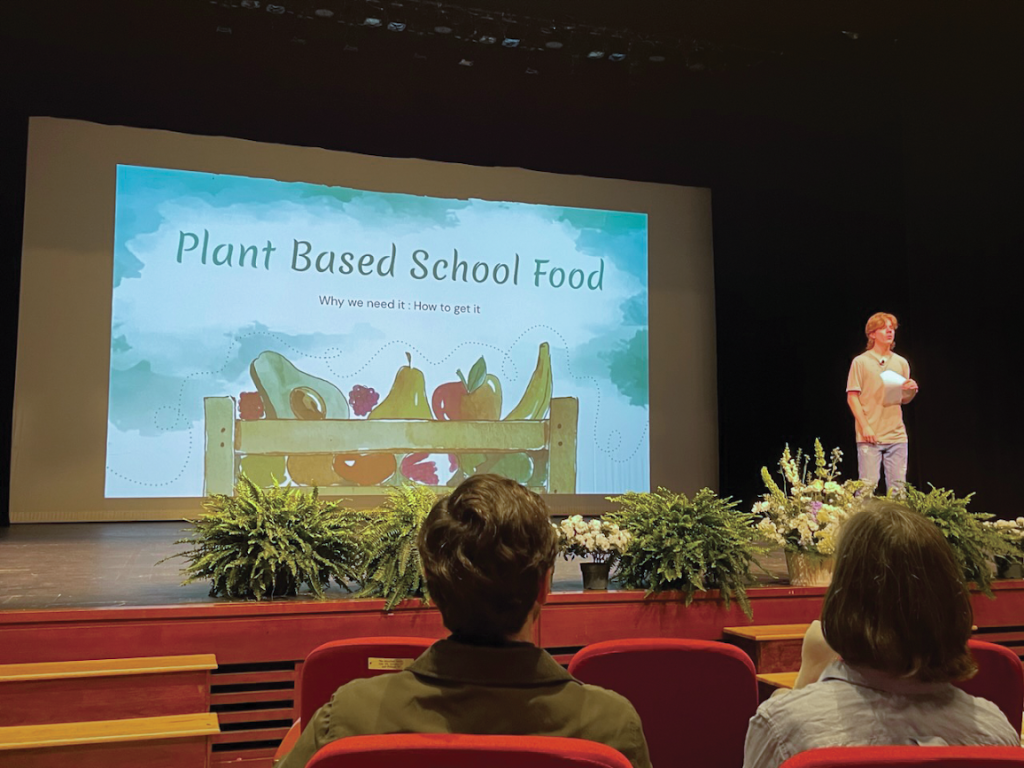
Structured debate helps students navigate these complexities. For this blog, F.E.P. collaborated with Versytalks, a platforms that encourage thoughtful discussion and critical thinking – allowing — young people to practice critical thinking, evaluate evidence, and understand multiple perspectives without conflict or hostility. This skill is essential for building compassionate, equitable food systems.
Inviting students into this conversation empowers them to shape the future of their own food environments.
The Future of School Meals Depends on the Choices We Make Today
Offering vegan meals in schools is not only about diet—it is about justice. It is about ensuring every student, regardless of background, can enjoy nourishing food that aligns with their health, ethics, culture, and identity.
My experiences from my school cafeteria remind us that students feel the consequences of limited choices immediately: in their energy levels, their sense of belonging, and their ability to learn. But F.E.P.’s work with youth shows that change is possible—and is already unfolding across the country and the world.
As communities and legislators rethink what school meals should look like, one truth becomes clear: the future of food begins with empowering young people to participate in the decisions that shape their lives. Vegan options are not the final answer, but they are a necessary step toward healthier, more inclusive, and more compassionate school food systems for all. We encourage youth and those passionate about vegan foods in school cafeterias to participate in Versytalks and F.E.P.’s debate on this topic by visiting here!
For a deeper understanding of the powerful benefits of vegan healthy habits, explore our plethora of resources on the subject!