


Food Empowerment Project’s mission is to help people understand how their food choices can change the world – for the good.
What Does “Vegan” Mean?
Veganism means so much to so many people, but at its core and to an organization like Food Empowerment Project (F.E.P.), it is about compassion for non-human animals and lessening some of the suffering in the world.
We are so excited you came to this page to learn more.
For whatever reason you are choosing to go vegan, we want you to remember that your decision is a good one for non-human animals, the planet, and your health. If you slip up and eat something that isn’t vegan, please be gentle with yourself. We all learn at different stages, and it is important to not give up and stay with it!
Don’t forget that you are not alone. We are here for you and you can always contact us with anything.
Now what exactly is a vegan….
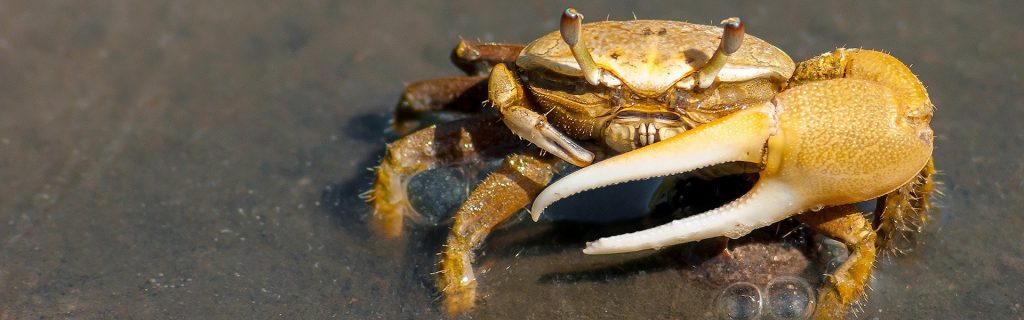
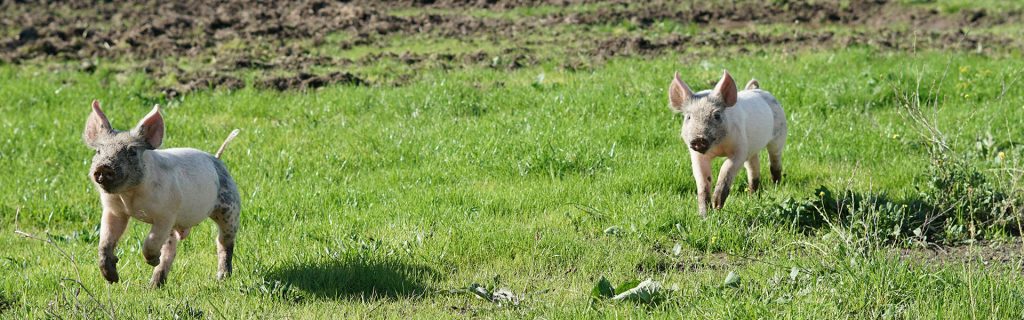
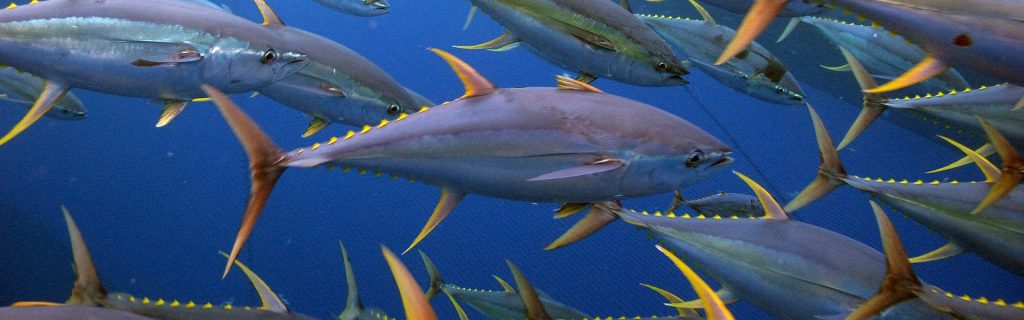
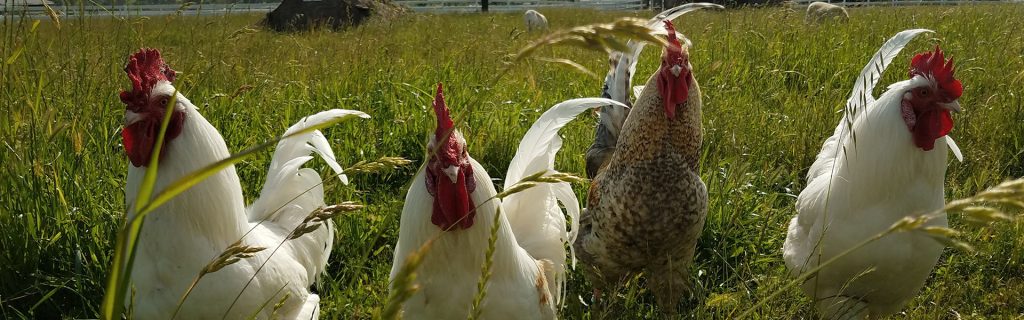
A vegan is someone who avoids consuming anything that comes from a non-human animal or an insect. This includes land animals such as birds, as well as eggs, fishes and other aquatic animals, dairy milk, and honey.
Food Empowerment Project promotes veganism for ethical reasons, and we want to make sure you are fully informed about this compassionate choice.
Vegans avoid “leather,” “wool,” and “silk” because these products depend on the same kind of exploitation and cruelty that animals farmed for food suffer and have similarly negative consequences for the environment.
Vegans also avoid purchasing products that contain animal ingredients and products that were tested on animals. They also seek not to participate in the suffering of animals used in entertainment, such as marine parks and circuses that have animals.
The term vegan is also used to differentiate consumer items that contain only plant-based ingredients (and are not tested on animals) from those that involve animal ingredients (such as, “This cake is vegan; it does not contain eggs or dairy”).
Why Go Vegan?
People go vegan for a variety of reasons, but from F.E.P.’s perspective, the main reason to go vegan is compassion for animals. Animals are sentient beings: they are individuals who are uniquely aware of their own existence, who feel pain and pleasure, and who bond with others in systems of kinship that they value deeply and grieve for when they are lost.
It’s clear that animals suffer when they are confined, forcibly separated from their families, have their reproduction controlled, and are mutilated and killed, which are routine practices in animal agriculture. (Food Empowerment Project explains in great detail the fate of various animals raised for food on our website — see links under “What Happens to Animals Raised as Commodities?” below.)
Veganism is also better for human workers and the world we live in. Jobs in slaughterhouses, “meat”-processing facilities, and animal farms, for instance, consistently rank among the most dangerous in the U.S.; animals in fear or pain may try desperately to escape, injuring the workers in the process; animal agriculture industries are notorious for lax safety and health standards; and, of course, the standard tools of violence used in the industry carry their own risk to workers (see our pages on Slaughterhouse Workers* and Animal Agriculture Workers*). The raising and slaughtering of animals is also catastrophically harmful to the environment (see our Pollution and Environmental Racism pages).
*Food Empowerment Project also readily acknowledges the abusive treatment of produce workers and advocates for them as well.
How to Go Vegan
The basic idea of being vegan is to purchase and consume only items that are 100% plant-based and avoid all activities that support animal abuse and exploitation.
- Switching to a healthy vegan diet is not simply a matter of removing animal foods while keeping the same diet you had before. Instead, you will need to reinvent your diet, such that you are eating a wide array of fruits, vegetables, and plant-based products. And we know this is not easy for everyone, especially for those living in areas characterized by limited access to these foods.
- When shopping for non-food items, such as clothing, bedding, furniture, and body care products, it is important to understand what these items are made from. Often the salesperson or manufacturer can help you with this, and if you are buying new (we encourage you to reduce waste by buying used vegan items whenever possible), you might also consider buying from one of the growing number of online vegan stores that carry a wide variety of shoes, bags, belts, cosmetics, supplements, body care items, food, and clothing.
- For textiles such as a sweater, rug, or mattress, there is generally a label that lists the materials (some plant and synthetic textiles are acetate, acrylic, cotton, hemp, linen, modal, nylon, rayon, and spandex). Fortunately, vegan clothing is easy to find (most T-shirts and jeans are cotton).
- Shoes are also generally labeled. Many include “leather,” but they’re often made from plant- or synthetic-based materials like hemp or “man-made materials.”
- For soap, moisturizer, shaving cream, toothpaste, deodorant, and other body care products, you can consult the ingredients list, but that may be confusing as many body care ingredients have chemical names. Instead, you may want to look for a “vegan” or “100% plant-based” label. Also, always make sure the products are not tested on animals, and avoid using products with palm oil. Contact the company if you are not sure.
- For cosmetics, sadly, many mainstream brands are not vegan (although increasingly more are becoming vegan), as carmine (crushed beetles), beeswax, and other animal products are widespread. In this case, your best option is to locate some manufacturers that offer vegan lines; again, the internet is a great resource. Keep in mind that most makeup brushes are made from squirrel or other animal fur, so be sure to get synthetic brushes. Many cosmetics sold in the U.S. are tested on animals, though as of 2013, no cosmetics sold in the E.U. are, and as of 2021, no cosmetics sold in Mexico are. In addition, some U.S. states have passed laws against testing cosmetics on animals. Also keep an eye out to avoid buying cosmetics with palm oil.
As a new vegan, the important thing is to make your best effort and to eliminate the obvious animal-derived ingredients from your shopping cart. Over time, you will become more comfortable with your lifestyle and learn to eliminate the less obvious ingredients as well.
Is a Vegan Diet Healthy?
What Happens to Animals Raised as Commodities?
Animals used for their reproductive or other secretions (dairy, eggs, or honey):
Animals used for their flesh (“meat”):
- Chickens Raised for “Meat”
- Cows raised for “Meat”
- Ducks
- Fishes
- Pigs
- Rabbits
- Sheep & Goats
- Other Ocean Life
- Turkeys
One final note: In the face of growing consumer awareness about the horrors of animal agriculture, these industries have increasingly tried to portray their treatment of animals as “humane,” using terms like “free-range” and “cage-free,” among others. These terms hide more than they reveal: there’s nothing “humane” about these animals’ lives, or deaths.
Find out more in the Humane Myths section.
[1] Melina, Vesanto et al. “Position of the Academy of Nutrition and Dietetics: Vegetarian Diets.” Journal of the Academy of Nutrition and Dietetics, vol. 116, no. 12, Dec. 2016, https://pubmed.ncbi.nlm.nih.gov/27886704/. Accessed 5 Jan. 2022.