

Advocacy Toolkits
Advocacy Toolkit
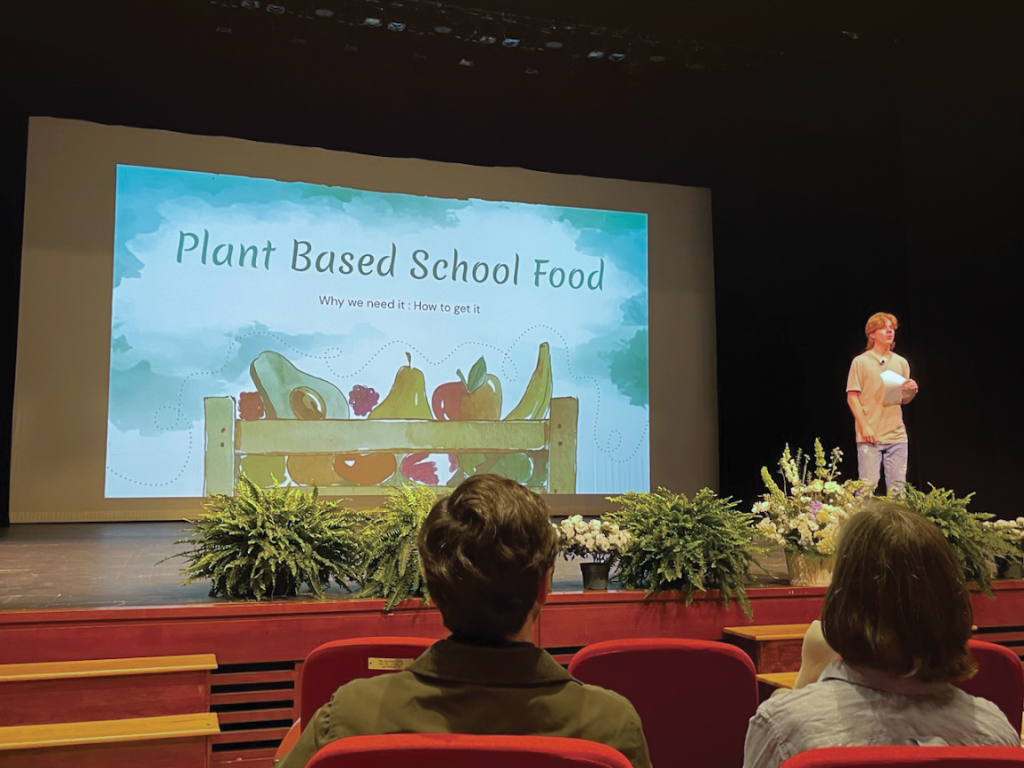
Eating vegan in college is an amazing step toward helping animals and the planet! If you want to bring change to your campus community, check out this Eating Vegan in College: Advocacy Toolkit, which contains a letter template for outreach, community collaboration and tabling tips, successful student-led campaigns, and a social media toolkit, all designed to support you and encourage current and future students! There are many ways you can get prepared to speak to staff in charge of food at your campus. One way is to research your university’s dining history to learn more about vegan meals served throughout the years or climate-friendly meal themes started by your university. Your school might even have a sustainability mission that you can use to your advantage to show why vegan meals are the best fit for that vision! You could also do a campus-wide survey that gathers students, staff, and faculties knowledge and dispositions toward vegan and environmentally friendly foods. This can also be done with tabling and food sampling! This data could be presented at meetings with your dining hall management, sustainability department, and even university executive staff. Don’t hesitate to get creative when figuring out solutions for meal inclusivity at your school!
Letter Templates for Outreach
Use these letter templates to reach out to on-campus and community establishments to advocate for vegan options! The letters below are examples that can be adjusted to fit your dining hall, campus cafe, local restaurant, or grocery store.
Dining Halls
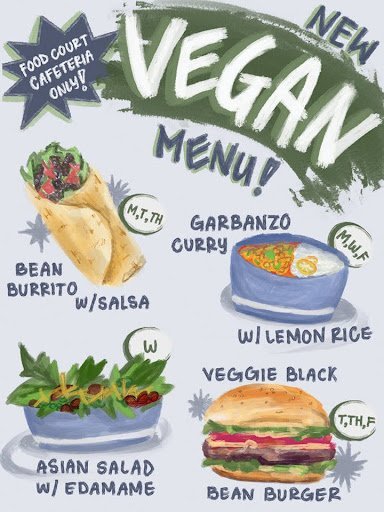
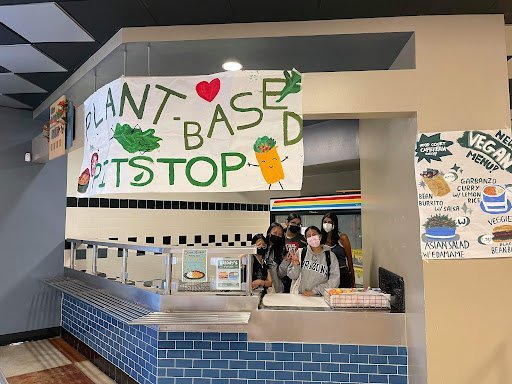
University dining halls have the power to make significant menu changes for thousands of students. By speaking with your dining hall you have the power to promote sustainability, ensure the meal preferences of students are heard, and provide meal alternatives! While all dining halls adhere to different policies and procedures, there are still fundamental messages that can be shared to help expose the campus to vegan foods.
Pushing for vegan options can go beyond the dining hall! Look below to see similar places to advocate and why!
Letter Template
Dear {Campus Dining Hall Name},
My name is {Your name}, and I am a {classification} at {Your school name}. I am a {Member of Compassion for Change, an animal rights and environmental group on campus.} I’m reaching out to discuss the expansion of vegan options that I and other students would like to see at {Your Dining Hall(s) name}. I am interested in seeing more vegan options in our dining hall because increasing vegan options supports more ethical and just conditions for non-human animals, more culturally-inclusive options for many groups of people, and supports a more sustainable environment.
I would love to have a meeting at some point to discuss these topics further, my availability is {Monday-Wednesday 5-8pm}. I look forward to hearing back from you.
Thank you,
{Your name}
Campus Cafe & Grocery Stores
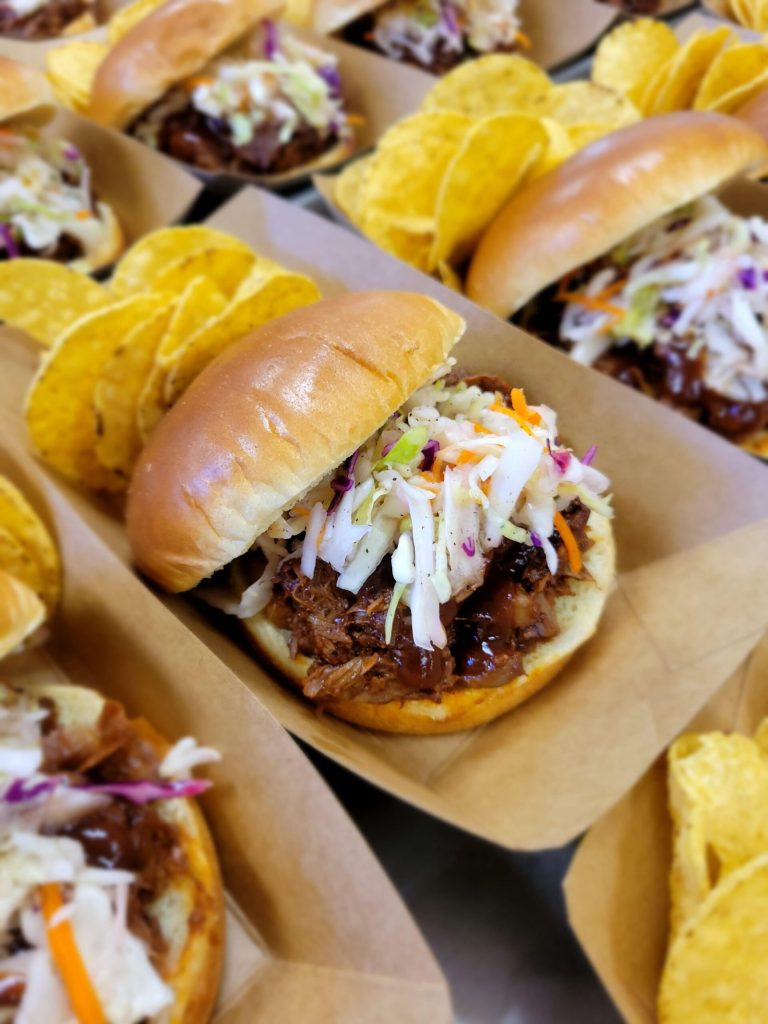
Like dining halls, campus grocery stores can positively alter food options for thousands of students across campus. Yet, it’s not uncommon for some students to have limited options. While some options might be labeled vegan, this does not make them inherently cruelty-free. The term plant-based can also be used to describe foods that have a majority fruit or vegetable makeup but might still have animal-derived ingredients. This makes the food not suitable for vegans. And for people who are lactose normal, predominantly Black, Brown, Asian, and Indigenous people, a lack of dairy alternatives is exclusive and does not recognize the cultural needs and ethical food choices of students. This insufficiency of alternatives can be solved by working with suppliers or local businesses.
Letter Template
Dear {Campus Cafe/Grocery Store Name},
My name is {Your name}, and I am a {classification} at {Your school name}. I am a {Member of Compassion for Change, an animal rights and environmental group on campus.} I’m reaching out to discuss the expansion of vegan options that I and other students would like to see at {Campus Cafe/Grocery Store Name}. I am interested in seeing more vegan options in our dining hall because increasing vegan options supports more ethical and just conditions for non-human animals, more culturally-inclusive options for many groups of people, and supports a more sustainable environment.
A number of students across campus and in the community are beginning to follow a vegan lifestyle and become more environmentally conscious.
I would love to have a meeting at some point to discuss these topics further. My availability is {Monday-Wednesday 5-8pm.} I look forward to hearing back from you.
Thank you,
{Your name}

Local Restaurants
Letter Template
Dear {Restaurant Name},
My name is {Your name}, and I am a {classification} at {Your school name}. I am a {Member of Compassion for Change, an animal rights and environmental group on campus}. Living in this community, I have noticed an increased interest in veganism, and it would be incredible to see this restaurant create a wider range of vegan options. As a vegan, it is often challenging for me to find suitable options on {Restaurant Name} menu. One way to incorporate more vegan options would be to assess your current menu and modify certain ingredients. You could also engage with your customers and receive feedback on what vegan options they would like to see on the menu.
In addition to creating more menu options for your customers, increasing vegan options supports more ethical and just conditions for human and non-human animals, more culturally-inclusive options for many groups of people, and supports a more sustainable environment.
If you are available to have a meeting to discuss this topic further, my availability is {Monday-Wednesday 5-8pm.} I look forward to hearing back from you on these suggestions!
Thank you,
{Your name}
Collaboration Tips for Campus Organizations
Collaborating with groups that you have a shared vision with is key to making impactful change! By sharing resources and knowledge, you can sometimes accomplish your goals a lot quicker. Collaboration can be working with campus staff and faculty, community businesses, and other campus organizations! It is crucial to support and respect all collaborative members and not exploit vulnerabilities but instead promote inclusivity, upliftment, and equity!
- Follow clubs and departments on social media that align with your mission! This can help spread events that your organization is doing and get your name out there!
- Attend campus events and club meetings. This can be an excellent space to network and foster meaningful relationships.
- Collaborate with groups on your campus! This can range from a partnered hike and clean-up, to a documentary night, art exhibition, and panel discussion.
- Connect with staff and faculty. This can help you find an advisor for future years and create a space for educational projects your organization chooses to seek.
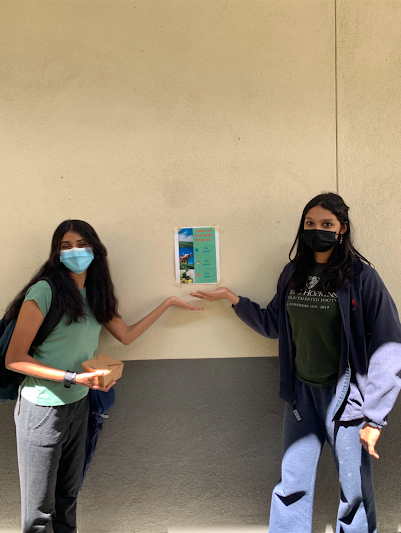
- Work with local businesses to hang up club sign-ups and event posters. Not only can this bring on new members but inspire people in the community to learn about your cause! Local businesses can also offer partnerships like discounts and a community mixer event!
Tabling Tips
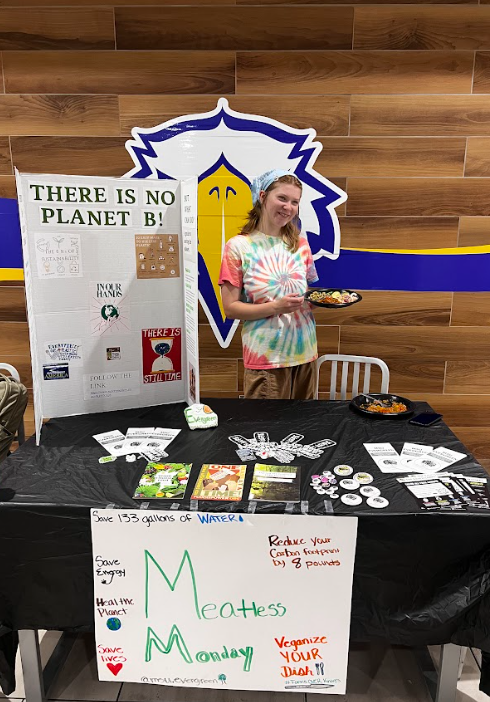
Tabling is an excellent opportunity to engage with your campus and community, talk about your campaign, and recruit new members. Below are 10 important tabling tips to implement in your organization to table successfully!
- Plan ahead: Have a full count of members who will attend, make sure you have all your supplies, and make sure you are authorized to use the tabling space–-calling ahead can help!
- Have giveaway items: Popular giveaway items are stickers, pamphlets, pins, and vegan candy!
- Have an interactive activity: Having a game or quiz for passersby can be engaging and educating–get creative!
- Having more than one person tabling can help divide up tasks and can make tabling more fun and inviting. But do not let this discourage you if you have a smaller organization; you can make the same impact!
- Have a sign-up sheet for new members and interested members.
- Have a QR code or username to your social media site and club group chat laid out.
- Having a tri-fold board about your organization can be invaluable and captivating to people walking by! This board can be set up on your table or on the ground.
- Have additional paraphernalia on the table from organizations your mission aligns with like pamphlets, booklets, and website links. Pamphlets and booklets on ethical veganism can be ordered for free on F.E.P.’s website!
- Remain enthusiastic and passionate about the topic you are tabling on to get others excited about your mission!
- Make sure your table stays nice and neat: this can be helpful for people wanting to take a glimpse at your table.
All students have a right to healthy, nutritious, and culturally inclusive foods that are free from animal ingredients. Advocating for this right can start in the school cafeteria and develop to on campus grocery stores and even restaurants in your community! One way to push for change is to use social media, as it can help reach thousands of people in your community with just one post.
WAYS TO MAKE CHANGES AT YOUR SCHOOL:
- Copy and paste the suggested social media posts or develop your own customized posts to share out the content. This content can be shared on your personal or school organization platform!
- Add the hashtags #Studentsforcompassion and #Foodispower to your social media posts, and engage with us via your personal or organizational accounts. You can also get creative and personalize a hashtag that relates to your school!
SAMPLE POSTS FOR INSTAGRAM, LINKEDIN, & FACEBOOK:
CAPTION
IMAGE
Did you know that 95% of Asians, 60 to 80% of African Americans and Ashkenazi Jews, 80 to 100% of American Indians, and 50 to 80% of Latinx are unable to process lactose? Most often referred to as lactose intolerance (a term that implies there is something wrong with those who don’t digest the milk of another species), F.E.P. coined the term “lactose normal” to reject the tendency to frame those who do not digest lactose as abnormal. Everyone should have access to non-dairy beverages and foods; not only does it benefit people who are lactose normal, but also the animals who are harmed by the dairy industry and the planet that suffers from its detrimental environmental impact.
#Studentsforcompassion, #Foodispower

All people deserve a right to healthy, nutritious, and culturally inclusive foods that are free from animal exploitation. Access to ethical, equitable, and sustainable foods should not be a luxury nor an obstacle. The diversification of foods to fit the needs of students and all people in our food systems is possible.
#Studentsforcompassion

When most people think about industrial pollution, they think about factories with billowing smokestacks; however, the food industry, with its animal farms and slaughterhouses, is a major contributor of pollution that affects the health of Black, Brown, Indigenous, and low-income communities. Yet, despite factory farming’s severe social and ecological costs, many governments promote this unsustainable industry to supply a growing global “meat” market that is projected to double by 2050. You hold the power to fight against systems of environmental racism and exploitation!
#Foodispower

In the U.S. the agriculture industry employs several hundred thousand workers. Animal agriculture in particular can be incredibly grueling on farm workers, many of whom are Black and Brown people, including migrant workers from Mexico and other parts of Latin America. It is not uncommon for these workers to suffer from chronic aches and pains, respiratory disorders, cardiovascular complications, and premature death.
#Studentsforcompassion, #Foodispower

Non-human animals strive to avoid pain, seek pleasure and find happiness. The animal agriculture industry puts animals in unnatural conditions and deprives them of their happiness. One way to fight against this exploitation is to adopt a vegan lifestyle!
#Studentsforcompassion

Social Media Toolkit