Success Stories
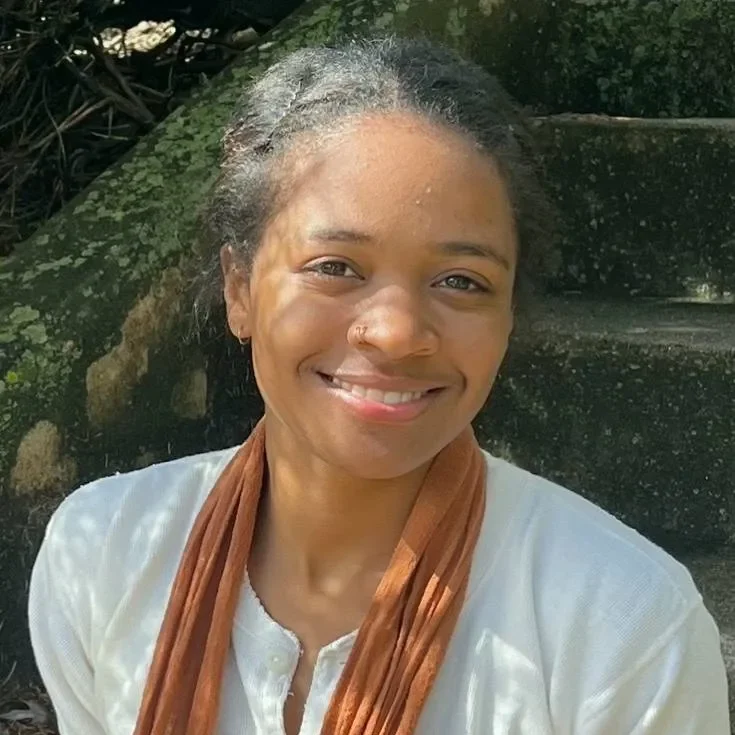
“Once I started college I knew I needed to take a stance against the insufficient alternatives available for students who were vegan, vegan-curious, or dealing with dietary concerns. As a freshman, I joined the Student Government Association to express my viewpoints and offer support to managers and chefs of my school's Food Service Department. This helped to get my concerns out there and led to a vegan option being served at my school's food center and a black owned vegan vendor being introduced to my school's dining hall for a 2-week period to gather student input. My Sophomore year I started an environmental and social justice club where members and I began organizing to tackle food concerns. With past connections I had made we set up meetings with my University’s dining hall staff, and with persistence we were able to get Meatless Mondays offered at our school’s dining Hall and permanent vegan options placed at our school’s food center. While there is still much work to be done, these food options can be enjoyed by students, staff, faculty and the community.”
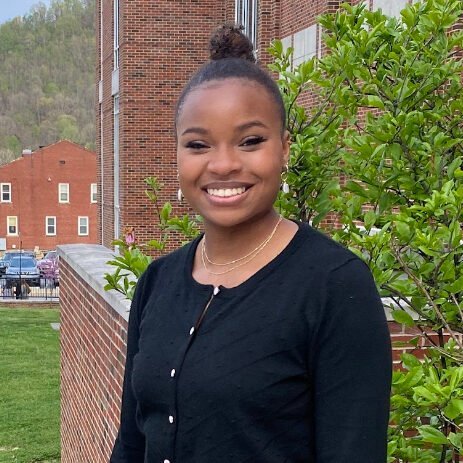
“In the summer before my final year at Milpitas High School, I collaborated with Friends of the Earth in an effort to bring more plant-based, culturally appropriate foods to my high school cafeteria, and succeeded. As a student at a predominantly Asian American high school, the urgency behind incorporating more plant-based, culturally appropriate food into my high school's cafeteria felt more prominent. I began by meeting with my district's food service directors. They heard my concerns but also opened my eyes to the challenges that food service staff face on an everyday basis to meet regulations whilst reducing food waste and making students happy. After understanding the barriers that our food service faces, our student team actively worked to meet them halfway and empower their staff to make the necessary changes for the future of our students. My school food service team repeatedly expressed to me that student engagement makes it easier for them to take the steps necessary for this level of change within the cafeteria. Throughout our years in K-12 education, we are taught by these cafeterias, particularly low-income students, how we should be eating for the rest of our lives. The dietary culture of our cafeterias affects how we continue to eat beyond our years in school; therefore, it is imperative that students have a say in what they are served in their cafeterias, from K-12. It is their health, their diet, and their lifestyle that is being affected. In college, I have continued similar efforts with the dining halls at UCLA. We are currently working with several animal rights organizations to incorporate more plant-based options across the dining halls. As one of the top public universities in the country, academic institutions with prestige need to use their position to elevate the incorporation and normalization of plant-based foods in our dining hall."

High school Junior at time of vegan campaign
"The most important thing I did to bring plant-based foods to my school district was working with the School Committee, the elected body in charge of governing the Public Schools of Brookline. My team of high schoolers and I were able to draft a Food Services section of a broader sustainability policy that applied to the entire district. With the addition of the section we drafted, the policy requires that vegan options be made available at every school meal. This is a binding, district wide policy that does not depend on any one person's commitment, and therefore ensures that plant-based foods will remain available in every school in the district indefinitely. The other really important thing we did was gather student input through surveys and food tastings. This way we were able to ensure that the plant-based foods that were served were foods that students actually enjoyed eating."
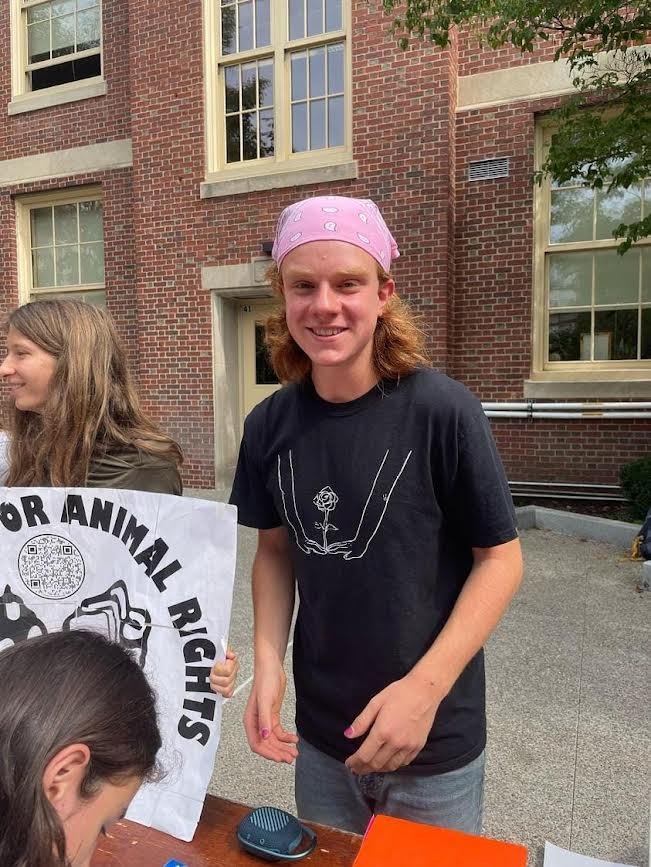
High school Sophomore at time of vegan campaign
“My high school cafeteria lacked vegan food options, leaving me to go hungry at lunchtime. I and many other students faced this issue, and I knew changes needed to happen. Starting with my high school, I worked closely with nutrition service directors to create a climate-friendly and culturally relevant menu, with items like chana masala and edamame fried rice served for the first time. During this time I also served as a district nutrition services team member. This position helped me survey my classmates in the cafeteria to better understand their needs. I also observed that there was an absence of vegan options available at a federal level. While serving food packages at my county's COVID-19 federal nutrition distribution center, I often was left explaining to families that we did not have plant-based options that fit their diet. So, I expanded the menu from the school district to the federal level by lobbying for the Healthy Future Students and Earth Act. I was able to achieve much of this change by working with a nationwide youth steering committee. The program advocated for locally sourced, freshly cooked, and plant-based food services nationwide. I had a unique opportunity to speak to senators and representatives who received millions of dollars in funding from the dairy industry about why dairy’s ubiquitous nature was noninclusive and unsustainable. I took my story to the White House, and it was clear that our government systems needed similar rethinking. With over 10,000 plant-based meals served and an opportunity for education on factory farming, my decision to look for resources turned into a project that continually advocates for an environmentally and culturally conscious world. I hope this inspires you all to take that step towards real impact.”
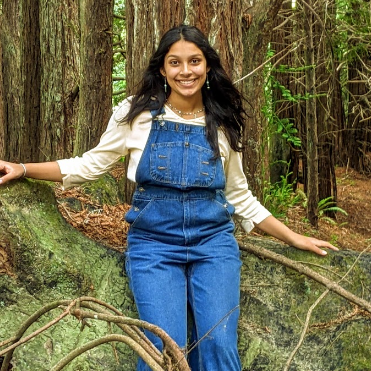
High school Sophomore at time of vegan campaign
“During my junior year of high school, I worked with several peers to campaign for a daily vegan option at our high school’s cafeteria. Working with Friends of the Earth, we petitioned and proposed this campaign to Nutrition Services, resulting in several pilot programs and finally consistent plant-based options. A key factor in the success of a similar campaign is alignment with Nutrition Services, and making sure you understand the USDA guidelines they have to follow, and working around those guidelines. All students should be inspired to campaign for vegan options because it is a wonderful way to connect with your community and promote foods that are culturally diverse, environmentally sustainable, and ethically aligned with student sentiment.”
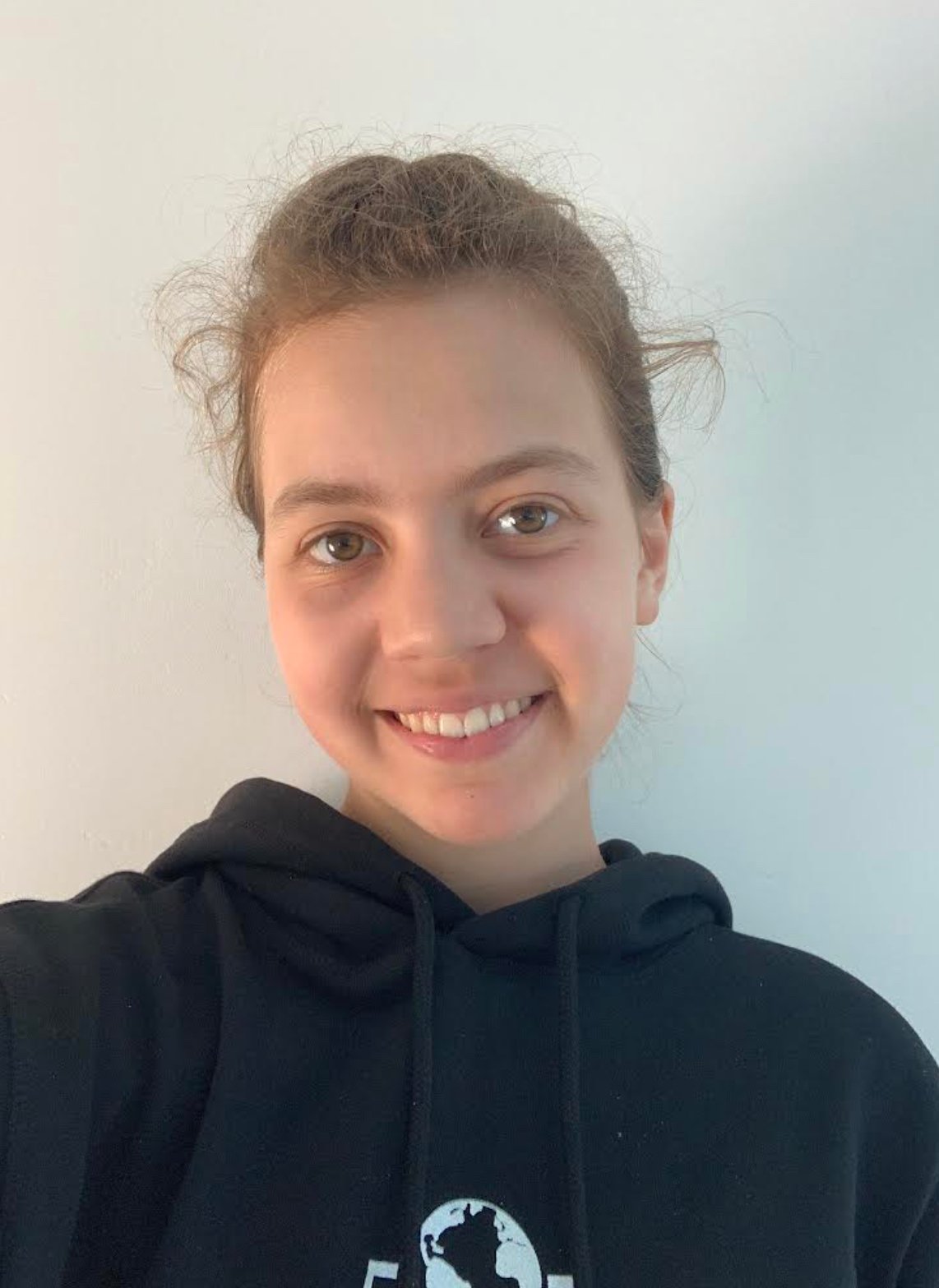
High school Sophomore at time of vegan campaign
“I attended college in Texas, and for much of my time there the only convenient vegan options available to me were burgers from dry instant packets that you added boiling water to, and the only plant-based milk – rice milk – was so watery, and it would freeze. When I started my first year, students were required to have a meal plan, which, of course, cost additional money. My university did not have any vegan options; I eventually got sick of eating only salads for my meals as there were no alternative options available. I also worked two jobs and ran an animal rights organization in college so I was pretty active, and I was starting to get anemia.
I had talked to the department on campus that was responsible, and they said they would speak to the cafeteria to accommodate me; however, it was never consistent, and when they finally served me frozen tofu, I was fed up. So I went every day to the department and sat in their office to tell them what I had for lunch until they eventually removed the meal plan from my bill. Using my voice to make administrative changes showed me the power we hold as individuals!”
“I was a vegetarian going into college, but quickly went vegan after learning more about the linked terrors of animal agriculture, patriarchy, colonialism, and capitalism, in an incredible class taught by a vegan activist, called ‘Environmental Ethics.’ However, that class was not in my department, although undoubtedly related.
“My major was Sustainable Development, and we spent much of our time discussing the immense suffering and un-sustainability of animal agriculture. Instead of prioritizing the education of more diversely culturally-appropriate and justice-centered alternative food systems, my department felt it was more suited to have classes built on how to ‘sustainably’ continue the unnecessary suffering and exploitation of animals, often weaponizing BIPOC communities as justification.
“After surveying my peers on the topic of a vegan class, I found out that an overwhelming number of students were interested in learning more about veganism, plant-based material and products (versus plastic, non-vegan, and other non-biodegradable material and products) and veganic farming. I decided to use an Independent Study course to work with a Professor on designing the first vegan class in the department, that I named ‘Plant Forward Sustainable Development.’ This class focused on strategies for advancing ethical vegan food systems and plant-based material and products (versus plastic, non-vegan, and other non-biodegradable material and products) to support true sustainability, climate action, justice for humans and non-human animals within and affected by these spaces, as well as promote re-generative circular economies. Although the course is not currently being offered (as these things take time and the birth of this class was only months before this testimony was written), I have been told by my peers and Professors that its impact has created new discourse in our department already, and I am continuously supporting the course’s actualization post-graduation.
“Through this experience I have learned to speak up even when, especially when, it’s uncomfortable. This is how we will truly develop as a more ethical, just, and compassionate society.”