Comer Vegano
Eating Vegan
Eating Vegan
About Veganism
For starters, what is veganism? Well, to be vegan is to avoid consuming anything that comes from a non-human animal or an insect. This includes animals such as birds, as well as their eggs; milk from animals; honey; and fishes and other aquatic animals. Many people choose veganism because they do not want to participate in the suffering and violence that animals experience for the production of food, clothing, cosmetics, and entertainment. We know that we share this wonderful planet with animals, who have rich inner lives and social bonds with one another, including those who live in bodies of water. They experience love, joy, frustration, pain, and a whole range of other emotions. Sadly, animals are exploited in a variety of ways in which they experience bodily violence, psychological torment, and the trauma of repeated separation from their family and friends. For instance, cows in the dairy industry are forcibly impregnated over and over again, go through incredible anguish when their baby calves are taken away from them within a few hours or days of birth, and are milked intensively until they are deemed “spent” and sent to slaughter long before the end of their natural lifespan. Animals suffer tremendously so that humans can consume their bodies in many different forms. In addition to being compassionate for animals, veganism is also better for the environment. Both large- and small-scale farms that raise animals have profound negative consequences on our air, water, and soil quality, as well as immense greenhouse gas emissions, excessive finite resource consumption, and is a leading cause of all pollution and deforestation. In every category mentioned, the impact of growing plants as alternatives to “raising” animals is significantly lower. We believe a primary reason to go vegan is to show compassion and respect for other species by not causing them harm.
F.E.P. promotes veganism for ethical reasons, as the industries that animal products come from are extremely exploitative for non-human animals and even human animals. Nonetheless, the environmental impacts from these industries are catastrophic, as well as health issues from consuming animal products are oftentimes detrimental, especially for BIPOC communities whose traditionally culturally appropriate plant-rich diets became animal-centric after colonialism. Vegans avoid “leather,” “wool,” and “silk” because these products depend on the same kind of exploitation and cruelty that animals farmed for food suffer and have similarly negative consequences for the environment.
Vegans also avoid purchasing products that contain animal ingredients and products that were tested on animals. They also seek not to participate in the suffering of animals used in entertainment, such as marine parks and circuses that have animals. The term vegan is also used to differentiate consumer items that contain only plant-based ingredients (and are not tested on animals) from those that involve animal ingredients.
This resource was created in solidarity with students working toward living in a more just and compassionate world. It includes tips to begin as well as sustain a vegan lifestyle in college, with college grocery list suggestions, dorm-friendly snack and meal ideas, dorm-friendly recipes, and a tool-kit for advocating for vegan food in college spaces.
F.E.P. promotes veganism for ethical reasons, as the industries that animal products come from are extremely exploitative for non-human animals and even human animals. Nonetheless, the environmental impacts from these industries are catastrophic, as well as health issues from consuming animal products are oftentimes detrimental, especially for BIPOC communities whose traditionally culturally appropriate plant-rich diets became animal-centric after colonialism. Vegans avoid “leather,” “wool,” and “silk” because these products depend on the same kind of exploitation and cruelty that animals farmed for food suffer and have similarly negative consequences for the environment.
Vegans also avoid purchasing products that contain animal ingredients and products that were tested on animals. They also seek not to participate in the suffering of animals used in entertainment, such as marine parks and circuses that have animals. The term vegan is also used to differentiate consumer items that contain only plant-based ingredients (and are not tested on animals) from those that involve animal ingredients.
This resource was created in solidarity with students working toward living in a more just and compassionate world. It includes tips to begin as well as sustain a vegan lifestyle in college, with college grocery list suggestions, dorm-friendly snack and meal ideas, dorm-friendly recipes, and a tool-kit for advocating for vegan food in college spaces.


Vegan Hacks


If possible, acquiring an air fryer and/or Instant Pot for college can be helpful for cooking quick and tasty vegan dishes. You can often find gently used and sometimes new air fryers, Instant Pots, and other appliances for low prices at flea markets, thrift stores, and online marketplaces.


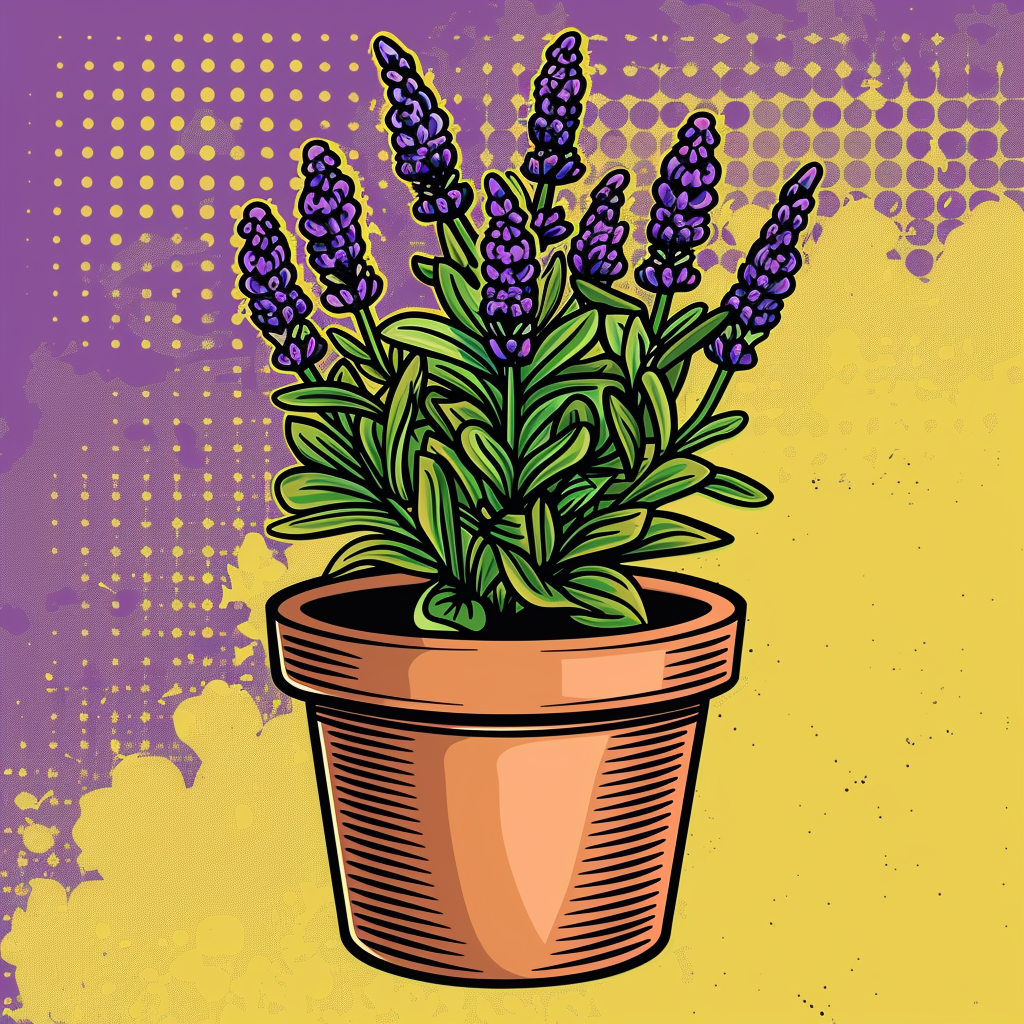
Growing your own herbs in your room is a fun way to have a renewable resource of fresh ingredients for dorm room dishes. Herbs that you could grow in a dorm with sunlight exposure include thyme, rosemary, lavender, oregano, sage, basil, mint, parsley, lemongrass, and chives.


Microwaved baked potatoes (including sweet potatoes) are simple, and you can add toppings to your liking. This is a great way to eat vegan on a budget and still feel nourished with a nice, hot meal.


Cooking pasta in the microwave is simple and quick. Once the pasta is cooked it can be prepared with several different sauces for a variety of dishes throughout the week.


Making a snack bag for on the go can be great for busy college students! This bag can consist of vegan trail mix, granola, dried fruits, nuts, pretzels, and much more.


Purchasing a vegan sauce for your dorm to use on various dishes can be a great way to enhance your meal, you can also bring it with you to your school’s dining areas.
Grocery List
- Bagels
- Bread
- Canned beans
- Canned tomatoes
- Fresh fruit
- Fresh vegetables
- Frozen alternative meats
- Granola
- Hummus
- Instant oatmeal
- Jelly/Jam/Preserves
- Legumes
- Marinara sauce
- Nut butter of choice
- Nutritional yeast
- Nuts
- Pasta
- Popcorn
- Precooked rice
- Pretzels
- Rice cakes
- Salsa
- Seasonings
- Seeds
- Shelf-stable plant milk
- Textured vegetable protein (TVP)
- Tofu
- Tortilla chips
- Tortilla shells
- Trailmix
- Vegan cheese
- Vegan yogurt
Vegan Snacks & Meals
(all additions mentioned are optional)


Snack Ideas
- Dried fruit
- Dried seaweed
- Edamame
- Kettle corn
- Mug cakes
- Pita chips and hummus
- Popcorn with vegan butter and nutritional yeast
- Pretzels
- Rice cake with nut butter
- Tater tots and ketchup
- Tortilla chips and guacamole (Please visit F.E.P.’s avocado page to help make informed choices on avocado selection)
- Tortilla chips and salsa
- Trailmix
- Vegetables and hummus


Dorm-Friendly Recipes


Meal Ideas
BREAKFAST
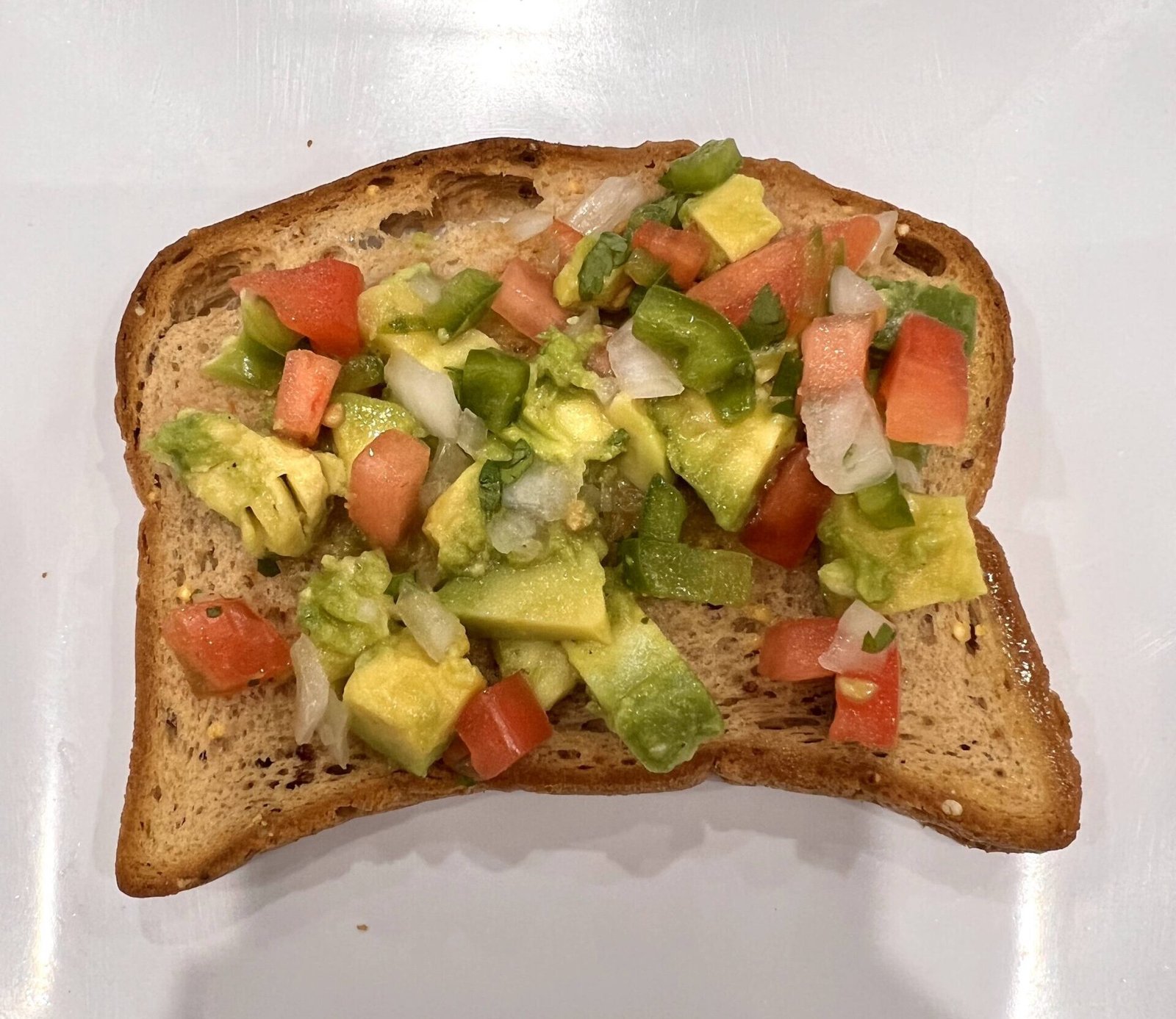
- Avocado toast or bagel: Toast, avocado (please visit F.E.P.’s avocado page to help make informed choices on avocado selection), nutritional yeast, everything bagel seasoning (or salt, pepper, garlic powder, onion powder, sesame seeds), hot sauce
- Bagel with vegan cream cheese, jam, peanut butter, hummus, or vegan butter
- Chia seed pudding with fresh fruit, granola, hemp seeds, nut butter
- Hashbrowns and ketchup
- Loaded sweet potato: Baked sweet potato, granola, nut butter, fresh fruit, agave, or maple syrup
- Oatmeal with nut butter, nuts, fresh fruit, seeds (such as hemp, flax, and/or chia)
- Peanut butter and jelly sandwich
- Rice cake with nut butter
- Toast with nut butter of choice, banana slices (please visit F.E.P.’s banana page to help make informed choices on banana selection), a drizzle of maple syrup or agave, a pinch of cinnamon, and salt on top
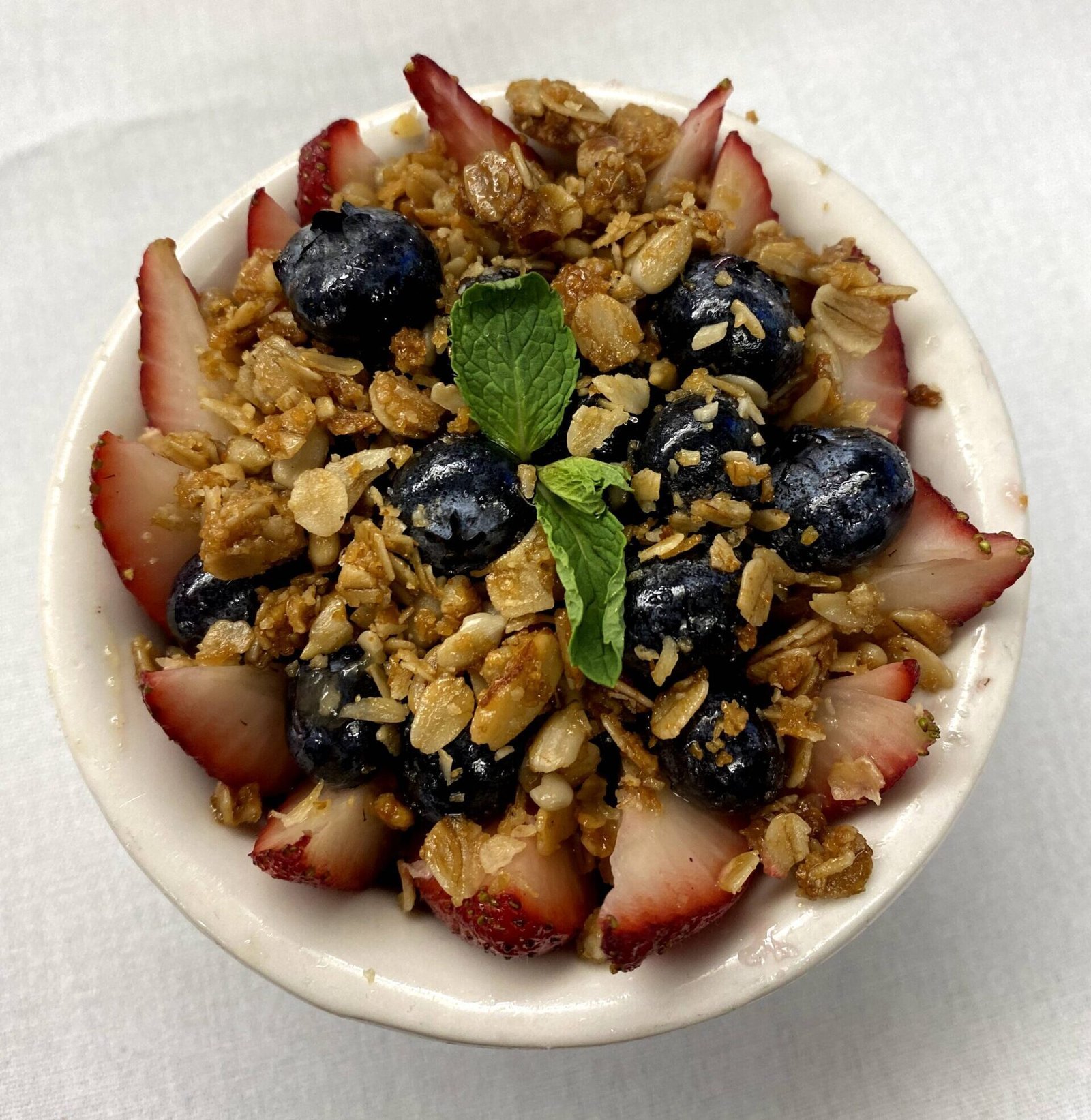
- Vegan yogurt with fresh fruit, granola, nut butter, nuts, seeds (such as hemp, flax, and/or chia)


Lunch/Dinner
- Chickpeas, fresh or cooked frozen vegetables, and rice
- Hummus wrap: Tortilla shell, hummus, fresh or cooked frozen vegetables (such as lettuce, tomato, bell pepper, cucumber, olives)
- Lentils and rice
- Loaded baked potato: Baked potato, cut in half and melt vegan butter and vegan cheese inside, add vegan sour cream, fresh or dried herbs, vegan “beef” crumbles/vegan “bacon,” salt and pepper
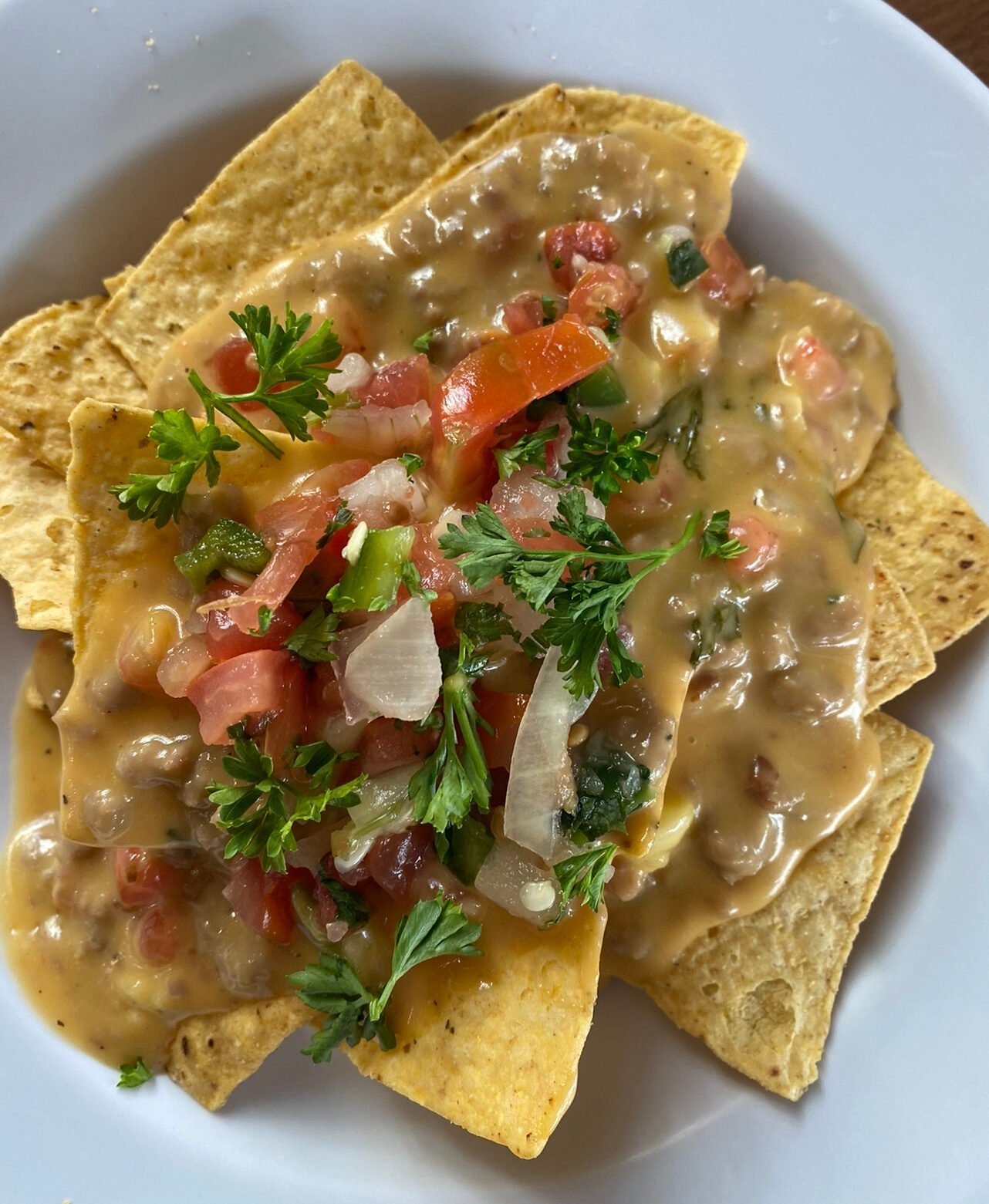
- Nacho bowl: Tortilla chips, lentils or/and beans, rice, fresh or canned tomatoes, fresh or cooked frozen vegetables, vegan cheese, vegan sour cream, salt and pepper, additional seasonings of choice
- Pasta with nutritional yeast, garlic powder, onion powder, salt and pepper, fresh or dried herbs
- Pasta with red sauce, fresh or cooked frozen vegetables (such as broccoli, bell pepper, spinach), tofu/vegan meat alternative (such as vegan “meatballs” or vegan “beef” crumbles)/textured vegetable protein, fresh or powdered garlic and onion, salt and pepper
- Peanut butter and jelly sandwich
- Taco: Tortilla shell with vegan “beef” crumbles/textured vegetable protein/mushrooms/tofu crumbles, fresh or cooked frozen vegetables, vegan cheese, vegan sour cream, salsa, avocado (please visit F.E.P.’s avocado page to help make informed choices on avocado selection)
- Tortilla with melted vegan cheese
- Vegan burger: Vegan burger patty, buns, vegan cheese slice, lettuce, tomato, ketchup, mustard
- Vegan chili: Kidney beans, pinto beans, black beans (often can be found in a can together as a tri-blend labeled as vegan chili), vegan sour cream, vegan cheese, onion powder, garlic powder, canned tomato, chili powder, salt, and pepper